
FoodVentures
·
Kazakhstan
·
Tomato
A record season. Then they built the model to repeat it.
Sera reverse-engineered what made FoodVentures' best season work — and turned it into next season's plan.
FoodVentures
About
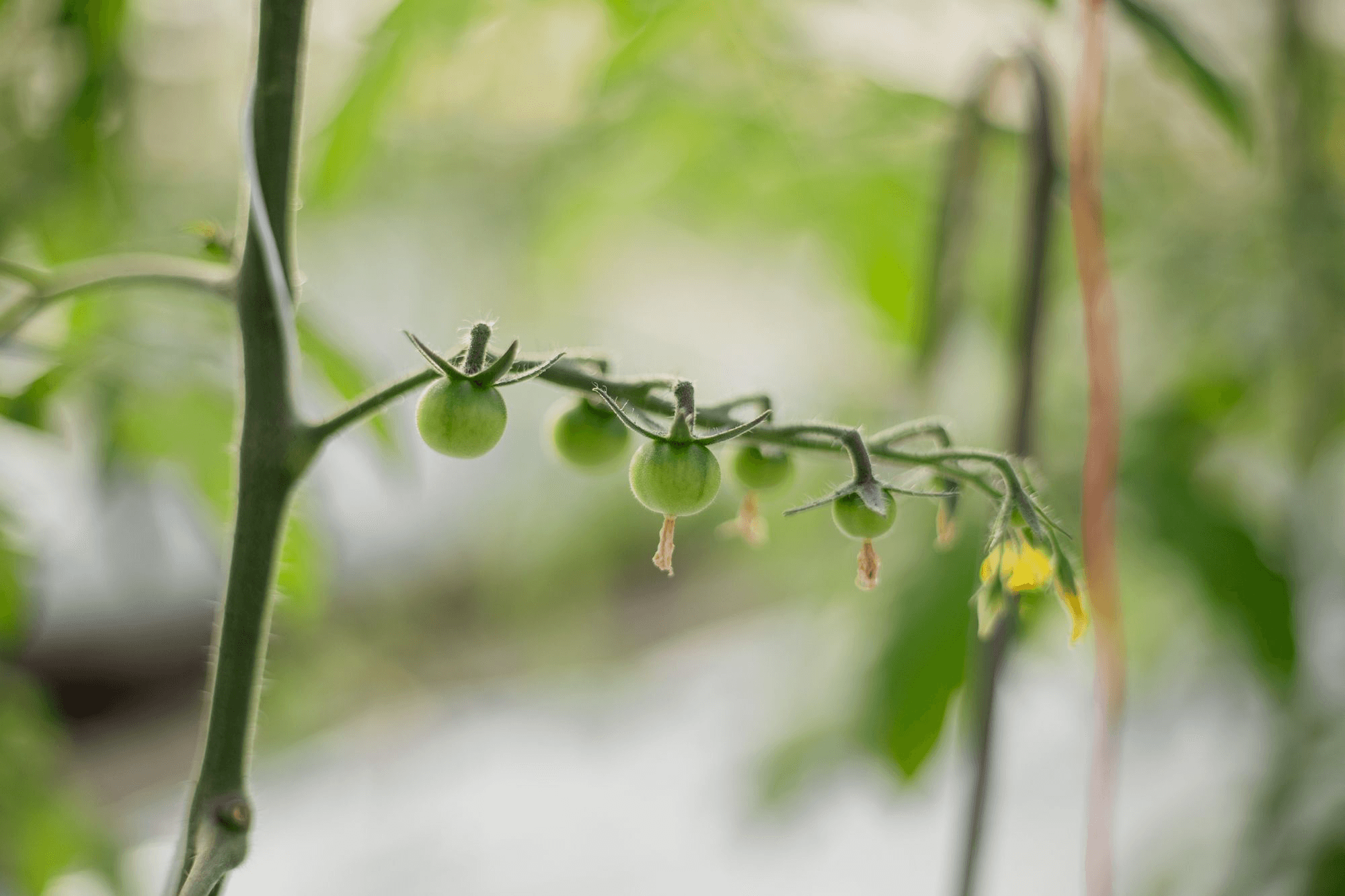
Tomato greenhouse, Kazakhstan.
Context
The 2022 season delivered a cumulative yield 15% above target, with weekly harvests consistently exceeding target from late May to October.
Engagement
Sera Intelligence analyzed the 2022 season retrospectively to understand exactly what drove that result, and built two reusable models to replicate — and potentially exceed — it in future seasons.
See what Sera could do for your greenhouse.
The challenge before Sera
A standout season is only useful going forward if you know precisely why it happened. Without that, a great year risks being attributed to weather, luck, or a grower's tacit feel for the crop — none of which is reliably repeatable or transferable. FoodVentures wanted to understand the specific mechanics behind their record 2022 tomato cycle well enough to reproduce it deliberately, rather than hope for a repeat.
How Sera helps
Sera ran a comprehensive analysis of the 2022 season's crop performance, light availability, climate strategy, and plant steering. The finding: success centered on a finely tuned balance between plant load and environmental conditions — the team consistently adjusted plant load to match available radiation, keeping a steady flow of assimilates for growth. That analysis produced two customized models. The Temperature Strategy Model determines optimal greenhouse temperature from daily radiation sums and plant density. The Plant Load Model links radiation availability to the maximum sustainable fruit load, showing the crop invested more energy into fruit production during the first 16 weeks, then shifted slightly toward vegetative growth during peak season to maintain balance. Together, the two models were used to build a detailed week-by-week crop plan for future seasons.
"Central to the success was a finely tuned balance between plant load and environmental conditions. The greenhouse team excelled in adjusting plant load to match the available radiation, ensuring a consistent flow of assimilates for optimal growth. This dynamic response prevented the pitfalls of overly vegetative or generative steering."
— FoodVentures
The results
+15% above target
The 2022 season that became the model for every one after it.
Two reusable models
The Temperature Strategy Model and Plant Load Model, built from what worked, ready to apply to future seasons.
A plan, not a memory
A week-by-week crop plan covering temperature, plant density, fruit load, humidity deficit, and irrigation.


